>


Kostenloser Versand in die USA, nach Kanada, Australien, Neuseeland, Großbritannien, Deutschland, Italien, Frankreich, Spanien.



Wet Floors

Oil & Grease

Smooth Surfaces

Changing Conditions
Slip-Resistance Technology

SGS-tested outsole performance under EN ISO 20345 requirements.

Slip Resistance

Oil Resistance

Abrasion Resistance

Hydrolysis Resistance
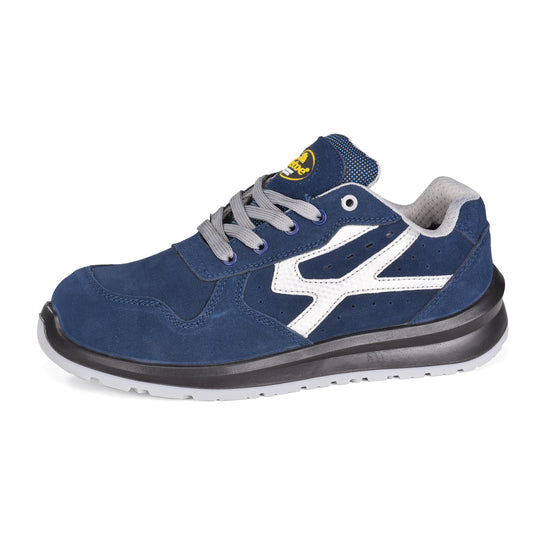
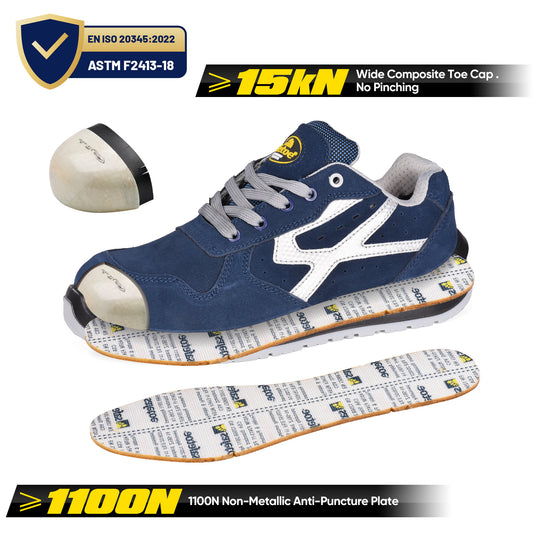
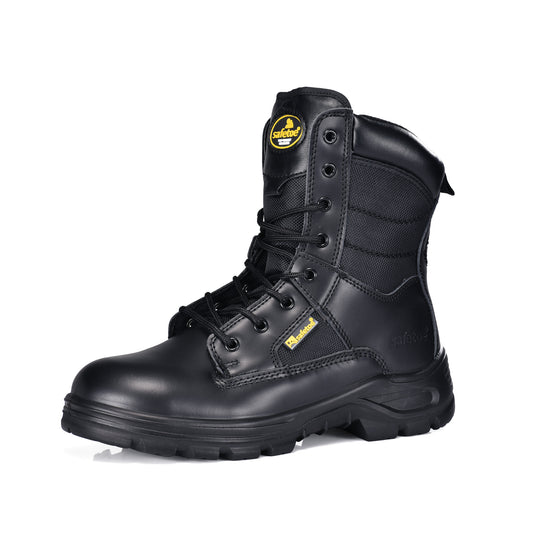
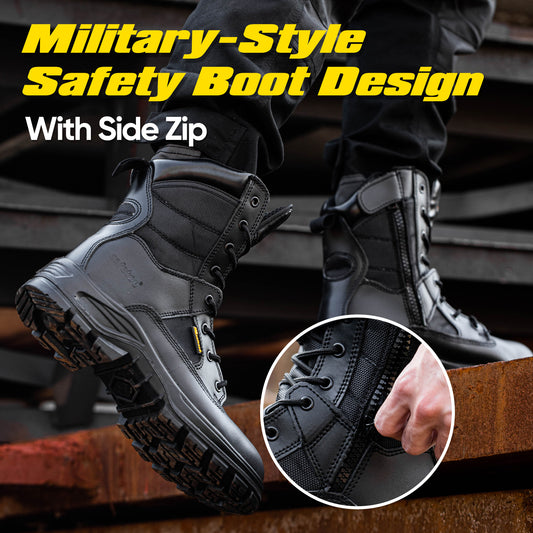
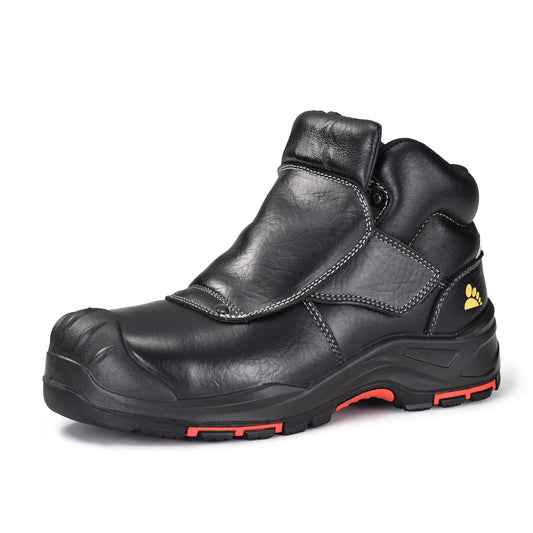
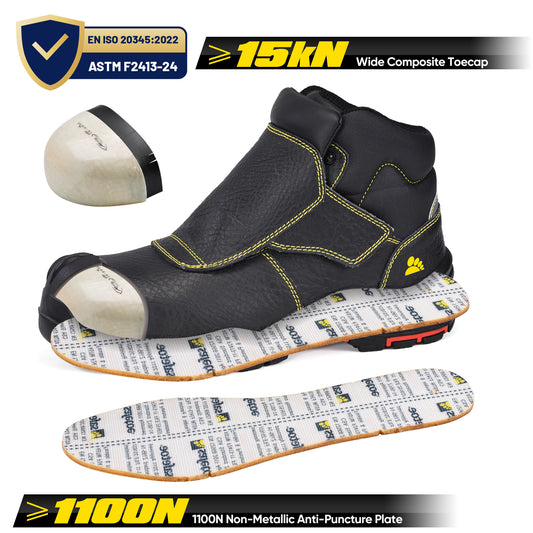
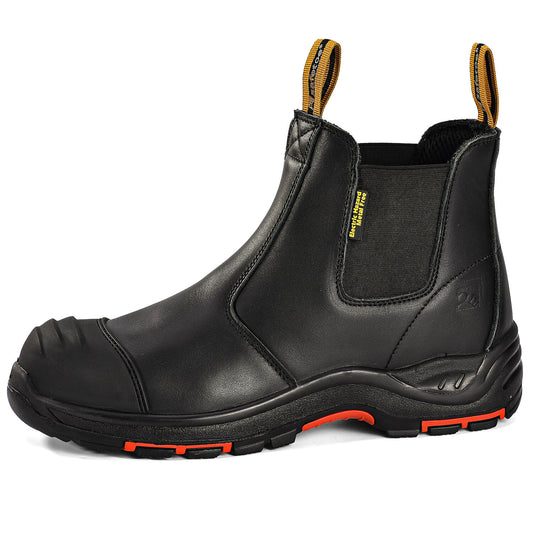
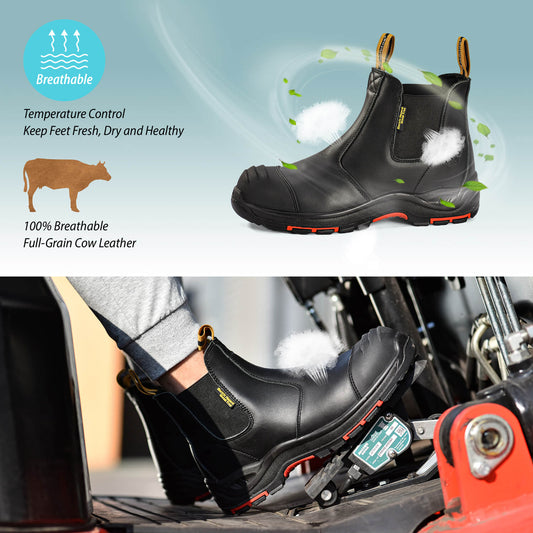
A: Slip resistance depends on the outsole compound, tread pattern, and surface contact. Deep lugs and durable rubber help improve traction on wet or oily floors, while regular cleaning keeps the outsole performing at its best. Safetoe work boots use Plumashield™ Slip-Resistance Technology to deliver reliable grip in demanding workplaces.
A: Yes, slip resistant work boots are designed to improve traction on wet and oily surfaces. Performance varies depending on the floor type, contaminants, and outsole condition. Keeping the tread clean and replacing worn footwear helps maintain reliable grip over time.
A: Slip resistance gradually decreases as the outsole wears. Heavy abrasion, damaged tread, and accumulated debris can reduce grip. Inspect the outsole regularly and replace your work boots when the tread becomes noticeably worn.
A: Choose work boots based on your workplace, floor conditions, protection level, and comfort needs. Workers in construction, warehousing, and manufacturing often require different features. Safetoe offers a range of slip resistant work boots for different jobsite environments.